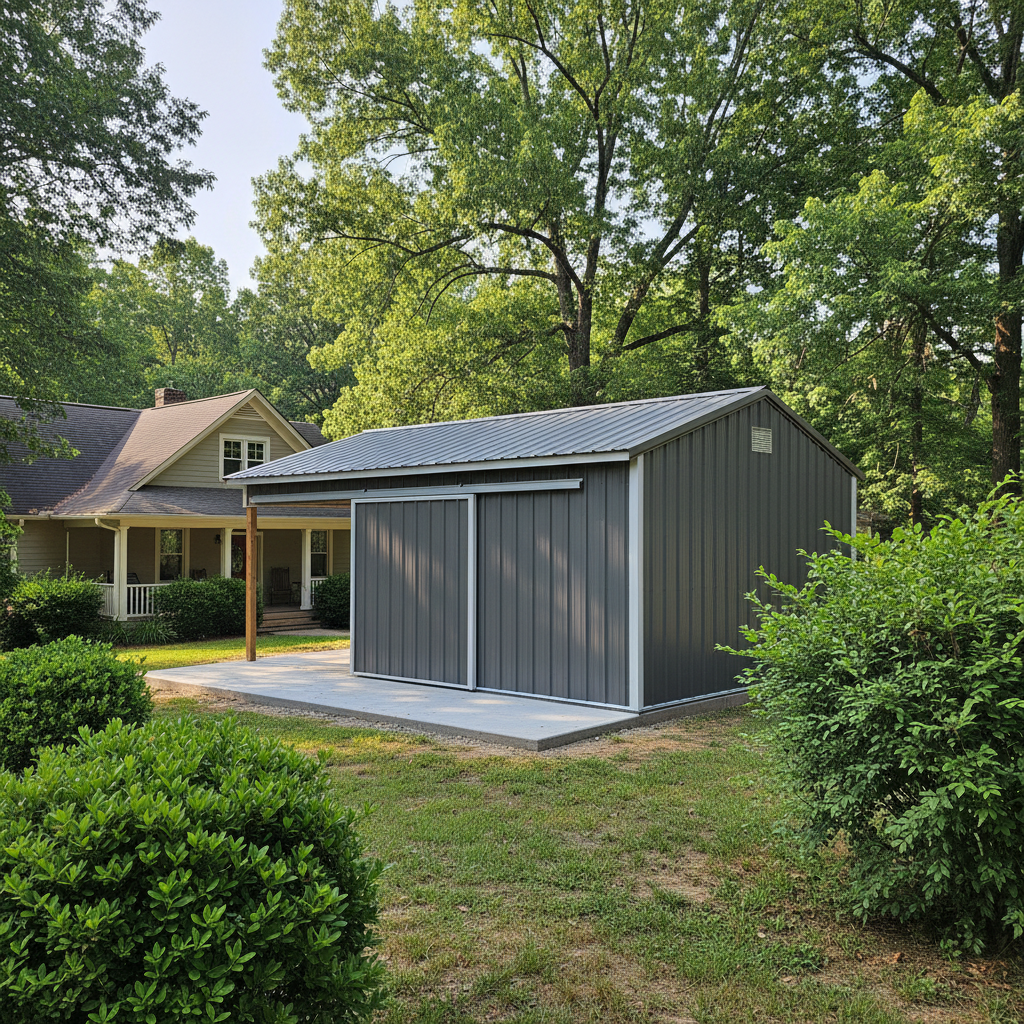
So, you're thinking about putting up a metal building here in Asheville. Maybe it's a new workshop, a bigger garage, or a storage spot for your outdoor gear. That's a smart move; metal buildings are tough, last forever, and can look great. But here's the thing: picking the right contractor is probably the most important decision you'll make. A good one makes everything smooth. A bad one? Well, you really don't want to find out.
What to Ask Potential Contractors
When you've got a few companies in mind, don't be shy. You're about to spend a good chunk of change, so you need to be sure they're the real deal. Here are the questions I'd ask if I were in your shoes:
How long have you been building metal structures specifically? It's not enough to be a general contractor, you know. Metal buildings have their own quirks, from the foundation right up to the frame assembly. You want someone who lives and breathes this stuff.
Can I see some of your past projects, and can I talk to those clients? Pictures are good, but talking to a past customer is gold. Ask them about communication, timelines, and if they'd hire them again. A reputable company won't hesitate to provide references.
What's your process for handling permits and inspections in Buncombe County? This is huge. Building codes vary, and you need a contractor who knows the local ropes. They should be able to guide you through the permit process or handle it entirely. You definitely don't want surprises from the city or county later.
Do you use your own crew or subcontractors? There's no single right answer here, but you need to know. If they use subs, how do they vet them? What's their oversight like? If it's their own crew, that often means more consistent quality control.
What kind of warranty do you offer on your workmanship? Beyond the manufacturer's warranty on the materials, what do they guarantee for their labor? Get this in writing, always.
How do you handle changes or unexpected issues during the build? Things happen. Maybe you decide you want an extra window, or the soil test reveals something unexpected. A good contractor has a clear process for change orders and communicates openly.
Decoding the Quote: What to Look For
You'll get a few quotes, and they might look totally different. Don't just compare the bottom line. Dig in. A good quote is detailed, not just a single number.
Line-item breakdown: Does it show separate costs for the foundation, the building kit, erection, insulation, doors, windows, and any site work? The more detail, the better. This helps you understand where your money is going and compare apples to apples.
Materials specified: What gauge steel are they using for the frame? What kind of roofing and siding? What R-value for insulation? Don't just accept