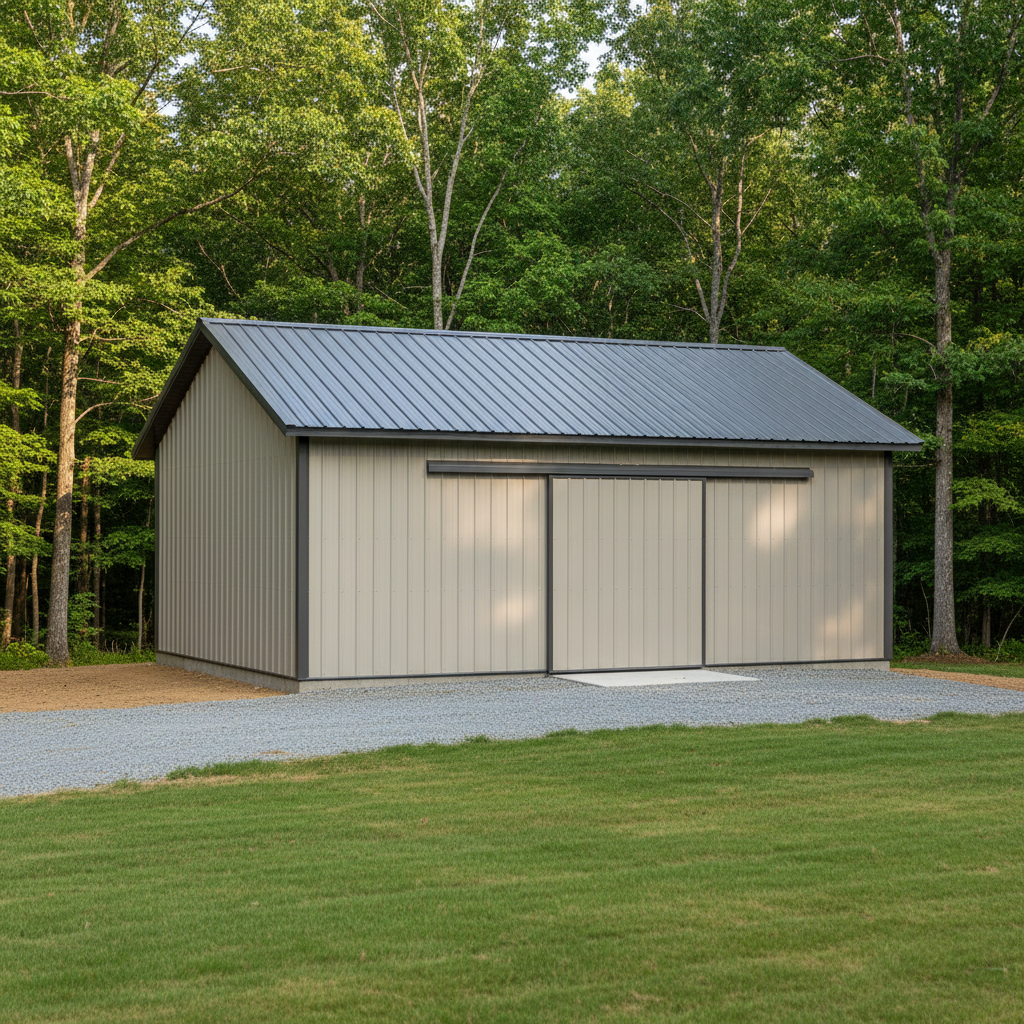
Dreaming of a new pole barn? Maybe you want a workshop, some extra storage, or even a cool backyard studio. That's fantastic! Metal pole barns are truly great structures – super durable and versatile. But here in Asheville, I've watched plenty of good intentions fall apart because folks just didn't know what to look out for. Let's dig into the biggest mistakes I see homeowners make, so you don't end up regretting your investment.
Ignoring Local Zoning and Permits
This is probably the number one headache I deal with. You get all excited, maybe even buy some materials, and then – boom! – you realize you can't even put the thing where you want it. Asheville and Buncombe County have specific rules, you know? You can't just plop a 30x40 foot structure down without checking first. Things like setbacks from property lines, limits on impervious surfaces, and even the maximum height can totally derail your plans. And don't even get me started on the process for septic fields or well setbacks if you're out in the county. You need to pull permits, plain and simple. Trying to skip this step is a surefire way to get a stop-work order, fines, or even have to tear down what you've built. Always, always start with a call to your local planning department.
Underestimating Site Prep
A pole barn is only as good as the ground it sits on. I've seen people try to save a buck by skimping on site preparation, and it always comes back to bite them. We've got some tricky terrain around here, especially with those beautiful mountain slopes and that red clay soil that can be a real nightmare if not handled right. You can't just build on uneven ground or over a drainage path. You need a level, well-drained site. This might mean grading, adding gravel, or even some serious excavation. If your site isn't ready, you'll end up with water issues, an unlevel floor, or even structural problems down the road. A good contractor will assess your site properly and give you a clear plan for preparation. Don't let anyone tell you it's not important.
Hiring the Cheapest Bid
Look, I get it. Everyone wants a good deal. But when it comes to something as permanent and important as a building on your property, the cheapest bid often ends up being the most expensive in the long run. I've seen countless homeowners get burned by fly-by-night operations or contractors who underbid just to get the job, then cut corners or disappear halfway through. They might use crummy materials, skip crucial steps, or just not have the experience to handle the unexpected. You want a contractor who's licensed, insured, and has a solid reputation here in Western North Carolina. Ask for references, check their past work, and make sure they're transparent about their process and materials. Alpha Metal Buildings prides itself on quality, and that comes from doing things right the first time.
Not Thinking About Future Needs
This one's a biggie. You might think a 20x30 barn is all you need right now. But what about five years from now? Will you need more storage? Do you plan to add a car lift, or maybe finish out a section for an office? It's much, much harder and more expensive to expand or modify a pole barn later than it is to build it a little bigger or with future expansion in mind from the start. Think about things like ceiling height – do you need clearance for an RV or a future second story? What about electrical and plumbing? Even if you don't put it in now, roughing it in during construction is a fraction of the cost of tearing into walls later. Plan for growth, even if it's just a little bit.
Poor Communication with Your Contractor
This goes both ways, but as the homeowner, you need to be clear about what you want. Don't assume your contractor is a mind reader. If you have specific ideas for doors, windows, insulation, or even the color of the trim, tell them upfront and get it in writing. Changes during construction are almost always more expensive and cause delays. A good contractor will ask a lot of questions and provide detailed plans. If they don't, that's a red flag. Make sure you understand the contract, the timeline, and what's included (and what isn't). Clear communication prevents misunderstandings and ensures you get the pole barn you envisioned, without any nasty surprises.
Building a metal pole barn is a big project, but it doesn't have to be a headache. By avoiding these common mistakes, you'll be well on your way to a successful build and a structure that serves your needs for decades to come.