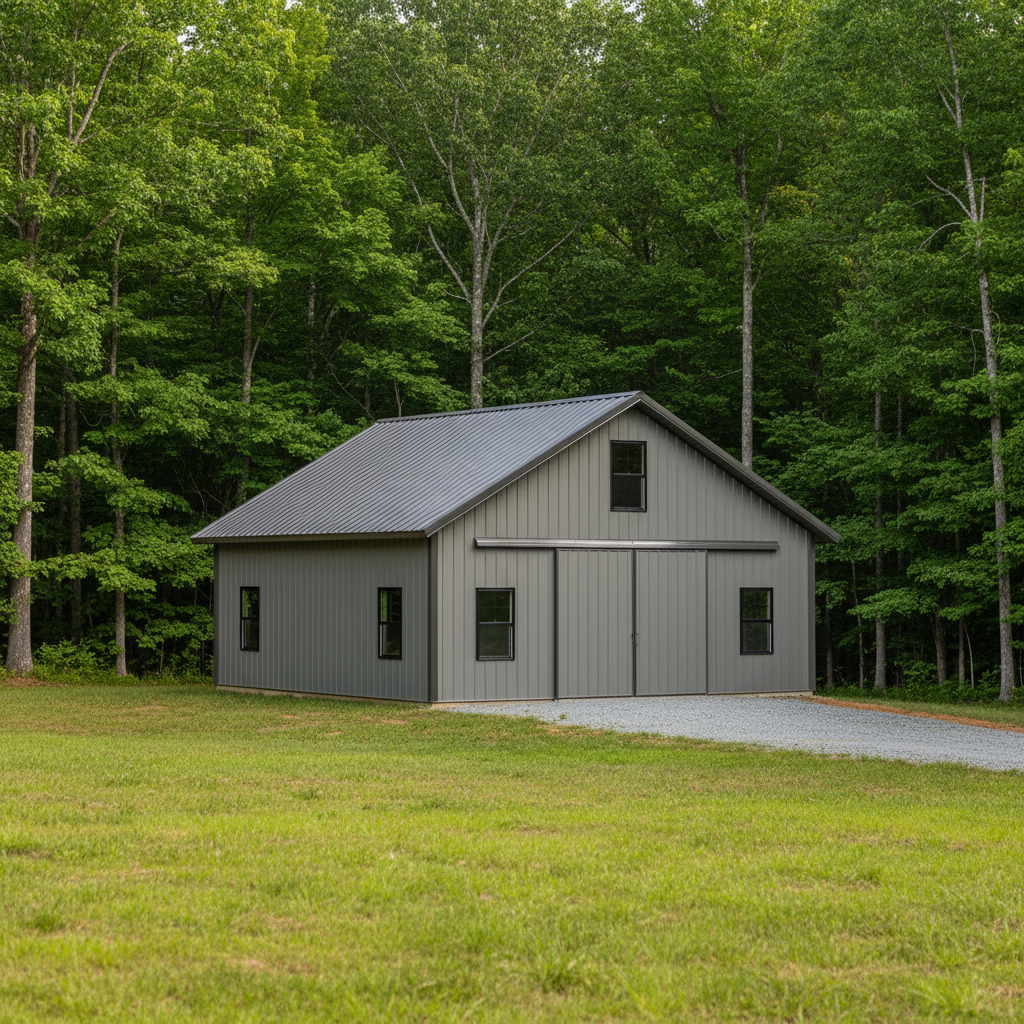
So, you've got a metal pole barn, or you're thinking about putting one up here in Asheville. That's a smart move, really. These buildings are tough, super versatile, and they'll last forever if you treat 'em right. But 'right' in Asheville isn't always the same as 'right' somewhere else. Our mountains, those sudden downpours, the freeze-thaw cycles — they all play a part in how your pole barn performs and how long it sticks around.
Timing Your Build: When's Best for a Pole Barn?
People always ask me, "When's the best time to build?" And honestly, there's no single perfect answer, but some times are definitely better than others. If you're looking at a new build, I usually tell folks to aim for late spring, early summer, or early fall. Why those times?
- Spring (April-May): The ground's usually thawed out by then, and we haven't hit the really oppressive heat yet. You might get some spring showers, sure, but they're generally manageable. It's a good window before the summer rush really kicks in.
- Summer (June-August): We can absolutely build in the summer. But you're dealing with higher humidity, more intense sun, and those pop-up afternoon thunderstorms that can really slow down a crew. Plus, if we hit a heat wave, it's just plain harder work for everyone. Concrete pours can be tricky in extreme heat, too; they need more careful curing.
- Fall (September-October): This is often ideal, I think. The weather's usually cooler, drier, and just more predictable. Less rain than spring, less heat than summer. The ground's still workable, and you can get your structure up and enclosed before the real winter weather sets in.
- Winter (November-March): We build year-round, no question. But winter can bring its own set of challenges. Frozen ground makes excavation tougher and slower. Snow and ice mean delays for safety. Plus, working with cold metal isn't fun, and some materials, like sealants, have temperature limitations for proper application. If you're in a hurry, we can push through, but sometimes waiting for a better weather window can save you headaches and even a bit of money in the long run.
Asheville Weather and Your Pole Barn: What to Watch For
Our local climate isn't just about pretty fall leaves; it's a force to be reckoned with. Here's what I've seen impact metal buildings the most around here:
- Heavy Rains and Runoff: We get plenty of rain, especially those intense summer storms. If your pole barn isn't sited correctly with good drainage, you're asking for trouble. Water pooling around the foundation can lead to erosion, undermine footings, and even cause moisture issues inside. I always recommend making sure your gutters and downspouts are clear and directing water well away from the building.
- Wind Loads: While we don't get hurricanes, the winds coming off the mountains can be significant, especially in exposed areas or higher elevations. That's why proper engineering and anchoring are non-negotiable. Don't skimp on the foundation or the fasteners, okay?
- Freeze-Thaw Cycles: This is a big one for foundations and concrete slabs. When water gets into cracks, freezes, and expands, it can cause real damage over time. Good drainage, proper concrete mixes, and sealing any cracks promptly are key.
- Humidity and Condensation: Asheville's pretty humid, and that can lead to condensation inside uninsulated metal buildings. If you're storing anything sensitive to moisture, like tools, hay, or classic cars, you absolutely need to consider insulation and a vapor barrier. It's not just about keeping it warm; it's about controlling moisture.
Protecting Your Investment Year-Round
Once your Alpha Metal Buildings pole barn is up, the work isn't over. A little proactive maintenance goes a long way to ensuring it lasts for decades.
- Gutter Patrol: Seriously, check those gutters and downspouts at least twice a year. Do it especially after fall leaves drop and again in spring. Clogged gutters mean water overflowing and soaking into your foundation or siding.
- Drainage Check: Walk around your building after a heavy rain. Is water pooling anywhere? Are your downspouts directing water far enough away? You might need to add splash blocks or regrade a small area.
- Sealant Inspection: Look at all the seams, around windows, doors, and where the roof meets the walls. Are there any cracks or gaps in the caulk or sealant? Address them quickly to prevent water intrusion.
- Fastener Check: Over time, some screws can loosen or back out a bit, especially with temperature fluctuations. Do a visual check of your roof and wall panels. If you see any loose fasteners, tighten them up.
- Clear Away Debris: Keep vegetation, leaves, and other debris from piling up against the sides of your building. This can trap moisture and even attract pests.
- Paint and Coating Maintenance: Most modern metal panels have excellent, long-lasting finishes. But if you notice any fading, chalking, or minor scratches, address them. A touch-up now can prevent a bigger issue later.
Your pole barn is built tough, but it's not invincible. A little attention to these seasonal details, keeping Asheville's particular climate in mind, will ensure your Alpha Metal Buildings structure serves you well for generations. If you ever have questions or spot something that doesn't look right, don't hesitate to give us a call. We're here to help our neighbors.