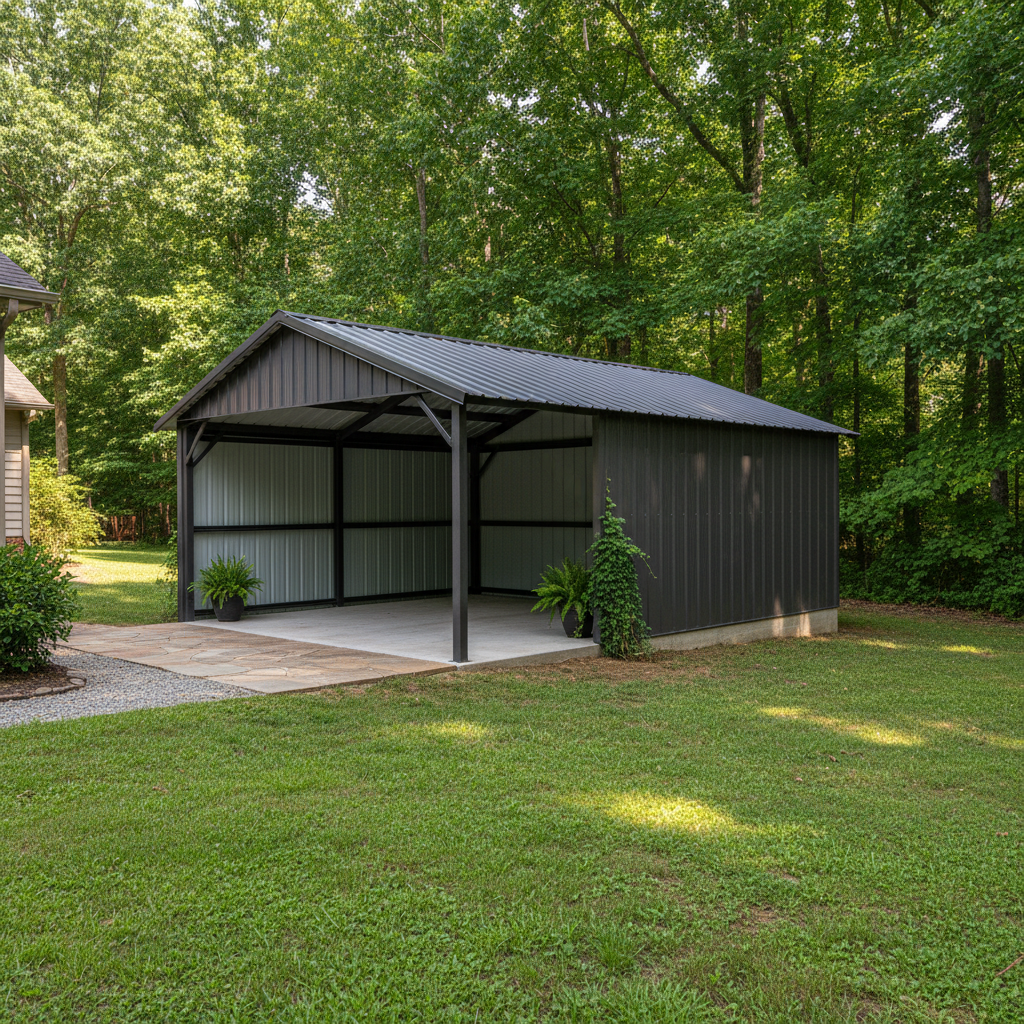
So, you're thinking about adding a metal shed to your property here in Asheville. Good call. They're super tough, really flexible, and they can seriously boost your storage space or give you a great spot to work. But when's the best time to actually get one built? And once it's standing, how do you make sure it holds up for the long haul, especially with our mountain weather?
I've been in this business for a good long while now, and I've seen firsthand what works and what just doesn't when it comes to metal buildings around here. It's not just about throwing up four walls and a roof, you know? It's about understanding the local climate and figuring out how to work *with* it, not against it.
When to Plan Your Metal Shed Build
Honestly, there isn't one single "perfect" season for building. Each one has its good points and its bad points, especially when you're talking about a metal frame shed. Mostly, we're looking for stable weather — not too wet, not too cold, not too hot. Easier said than done in the mountains, right?
- Spring (March-May): This can be a really nice time. The ground's usually thawed out, and we often get some milder, drier stretches before summer's full heat and humidity really kick in. The biggest challenge? Spring showers, of course. We're used to them, but a really wet spring can definitely push back foundation work. If you're thinking spring, you'll want to get on our schedule early.
- Summer (June-August): Hot, humid, and afternoon thunderstorms are pretty much the standard. While we can work through the heat, it does slow things down, and those pop-up storms can bring everything to a halt. The ground is usually nice and dry, which is great for foundations. Just be ready for possible weather delays.
- Fall (September-November): This is often my personal favorite for building. The temperatures are usually just right, the humidity drops, and we get those beautiful, crisp days. Less rain than spring, less heat than summer. The only catch is that everyone else knows this too, so schedules tend to fill up fast. If you want a fall build, you need to be planning it in late spring or early summer.
- Winter (December-February): We *can* build in winter, but it brings the most challenges. Freezing temperatures can mess with concrete curing, and snow or ice obviously stops work cold. Our winters here in Asheville aren't usually brutal, but we do get those cold snaps and occasional heavy snows, especially in higher elevations like Candler or Fairview. It's totally doable, but you'll need to be flexible with the timeline.
The main takeaway for scheduling? Plan ahead. Talk to us at Alpha Metal Buildings early so we can factor in the weather and get you on the books for a time that makes the most sense for your project and for our crew.
Weather Conditions That Affect the Work
Beyond just the season, specific weather conditions really dictate how smoothly your shed build goes:
- Rain: This is the big one. We can't pour concrete in heavy rain, and working with metal panels on a wet, muddy site isn't safe or efficient. Light drizzles are usually fine, but anything more than that means we hit pause.
- Wind: Putting up large metal panels and structural pieces in high winds is just plain dangerous. We put safety first, always, so if the wind picks up, we'll secure what we've got and wait it out.
- Temperature: Extreme cold affects how concrete cures and makes working with tools and materials much tougher. Extreme heat can also be a safety concern for the crew, and it can impact certain materials too.
- Ground Conditions: This isn't *strictly* weather, but it's definitely related. Our soil around Asheville can be pretty clay-heavy in spots, and when it gets saturated, it turns into a sticky mess. That makes getting equipment in and out tough and can delay foundation work.
Protecting Your Metal Shed Investment Year-Round
Once your shed is up, you want it to last, right? Metal buildings are incredibly durable, but a little regular attention really helps, especially with our local climate.
- Keep it Clean: Our trees are beautiful, but they drop a lot of leaves, pine needles, and pollen. Keep your roof and gutters clear. Clogged gutters can lead to water backing up and getting into places it shouldn't, or even causing ice dams in winter. A simple rinse with a hose a couple of times a year usually does the trick for the siding.
- Check for Damage: After a big storm — think those intense summer thunderstorms or a winter ice event — take a quick walk-around. Look for any loose screws, dings, or anything that just looks off. Catching small issues early stops them from becoming big, expensive problems.
- Drainage Around the Base: Make sure water is draining away from your shed's foundation. Our hilly terrain means water can sometimes pool if the grading isn't quite right. You want positive drainage, meaning the ground slopes away from the building. If you see standing water, it's worth taking care of.
- Ventilation: If your shed is enclosed, especially if it's insulated, good ventilation is crucial. It helps prevent condensation, which can lead to rust or mildew on anything you've got stored inside. Even a simple ridge vent and soffit vents can make a huge difference in managing temperature and humidity inside.
- Sealants and Flashing: Over time, the sealants around doors, windows, and trim can start to break down. Check these periodically and reapply if you see cracking or signs of water getting in. The flashing around openings is there to direct water away; make sure it's still secure and doing its job.
Your metal shed is a tough piece of construction, built to withstand a lot. But just like anything else, a little proactive care will make sure it serves you well for decades to come. If you ever have questions or spot something that concerns you, don't hesitate to reach out. We're here to help you keep your investment solid.