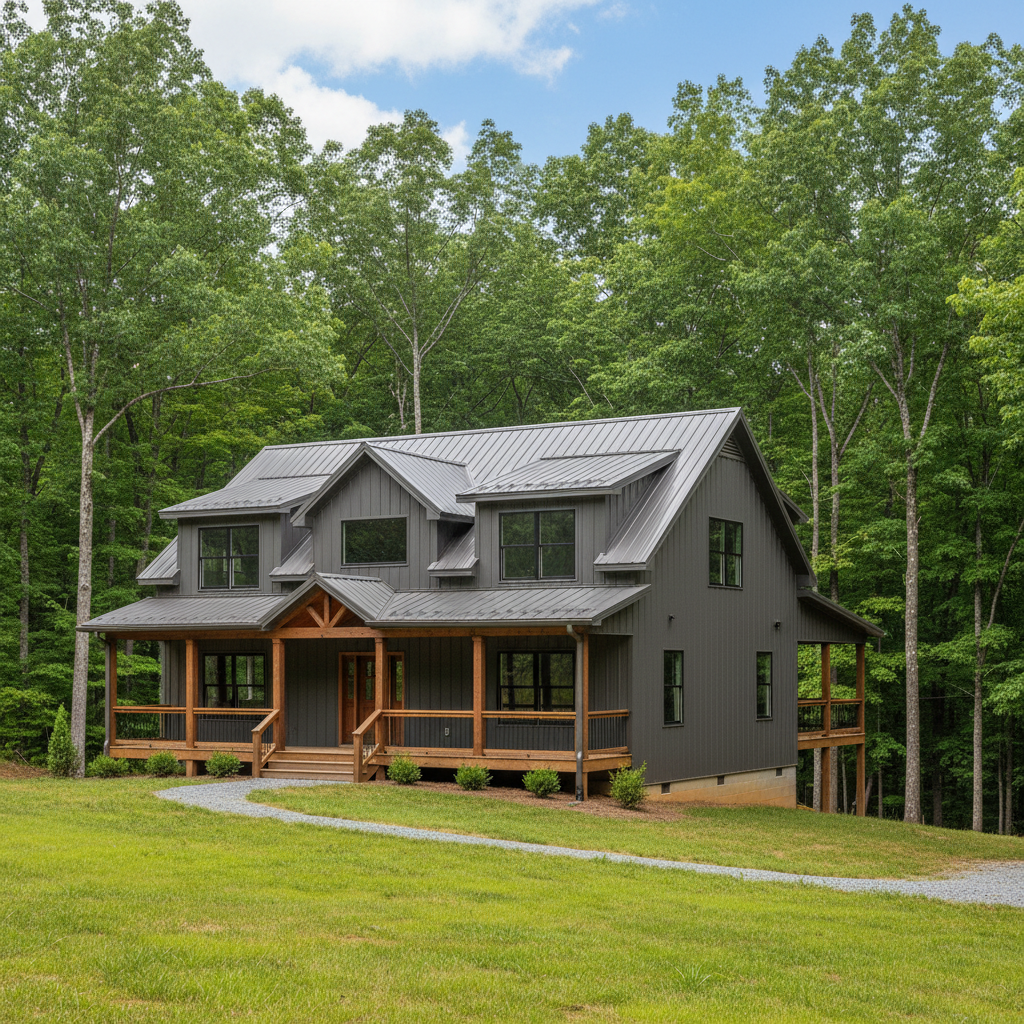
So, you've got a fantastic metal building, or maybe you're just kicking around the idea of getting one. Good call, honestly. They're super tough and you can use them for just about anything. But living here in Asheville, we all know the weather can be a bit… unpredictable, right? It's not just about getting the structure put up; it's really about understanding how our local climate affects your investment. That goes for when we build it, and how you keep it looking great for decades.
Best Time to Build Your Metal Structure in Asheville
When's the "perfect" time to put up a metal building? Look, we can build year-round, no problem. But some seasons are definitely easier on the schedule — and on the crew, for that matter. Spring and fall are usually your best bet. The ground isn't frozen solid, and we're not fighting off extreme heat or constant rain. That just means fewer delays, and the whole build process goes a lot smoother.
Summer? Yeah, we can make it work. But those afternoon pop-up thunderstorms we get around here, especially in July and August, can really slow things down. We're talking safety first, always – nobody wants to be out there working with metal when lightning's flashing. Plus, the heat can be brutal for the crew. Sometimes we have to adjust hours, like starting earlier in the day, just to beat the worst of it.
Winter is doable. But you're probably looking at potential delays from snow, ice, and freezing temperatures. Concrete work, in particular, needs specific conditions to cure correctly. If it's too cold, we'll have to take extra precautions, which can add time and, sometimes, cost. So, while Alpha Metal Buildings is ready whenever you are, aiming for spring or fall often just makes the most sense for a new build.
Weather Conditions That Affect Construction
Beyond just the season, specific weather conditions really dictate what we can and can't do on site. Wind is a big one. Even a moderate breeze can make lifting large metal panels incredibly dangerous. We're talking about keeping our crew safe and preventing damage to your materials. If the wind picks up too much, we simply have to pause until it's safe again.
Rain, obviously, is another factor. Sure, metal buildings are designed to shed water, but working in heavy rain is inefficient. It can be unsafe too, especially when we're dealing with electrical tools or up on a roof. A light drizzle might be fine, but anything more than that usually means a temporary halt.
Then there's the ground itself. We've got a lot of clay soil around Asheville, and when it gets saturated, it turns into a muddy mess. That makes it tough to move equipment, pour foundations, and just keep the site clean. Good drainage planning is always part of our process, but Mother Nature sometimes throws us a curveball, doesn't she?
Protecting Your Investment Year-Round
Once your metal building is standing tall, your job isn't quite over. It's really about smart, year-round maintenance to protect that investment. Here's what I always tell folks:
- Check for Debris: Especially after big storms or strong winds, take a quick look at your roof and gutters. Leaves, twigs, and other junk can pile up, leading to water pooling or blockages. This is super important if your building is near some of those older, established trees you find in neighborhoods like Montford or West Asheville.
- Inspect Fasteners and Sealants: Over time, temperature changes can make materials expand and contract. This can sometimes loosen screws or degrade sealants around windows, doors, and trim. Do a visual check a couple of times a year. If you spot anything loose or cracked, deal with it. A little caulk now can stop a big leak later, you know?
- Clear Around the Base: Keep vegetation, mulch, or anything that holds moisture away from the base of your building. You really want good airflow and drainage around your foundation.
- Watch for Rust (Rare but Possible): Modern metal buildings are super resistant to rust, especially with quality coatings. Still, it's not impossible, particularly if a coating gets deeply scratched. If you happen to spot any surface rust, clean it off and apply a touch-up paint made specifically for metal. Catching it early is key.
- Ventilation is Your Friend: Especially during our humid summers, good ventilation stops condensation from building up inside your building. If you've got a workshop or storage, make sure your vents are clear. If you're seeing moisture, maybe think about adding more.
Your metal building is definitely built to last, but a little proactive care really goes a long way. Think of it as protecting your future. And if you ever have questions about your Alpha Metal Buildings structure, you know who to call.